Planted and Enchanted

A casual blog about sustainability, gardening and life in Central Texas


Leave a comment

Happy New Year!

After sixteen years of living, gardening, brewing, pickling and baking in south Austin, we decided to pack up and move a little further south to Buda. We’re lucky enough to have room now to keep chickens and bees, two things we’ve wanted to do for a long time.

We’re currently building a coop for the hens and getting all of our beekeeping in order before they arrive in March. Thanks for taking the time to let us share our hobbies with you as we go through the learning process. We’re glad you’re here. It’s going to be fun, y’all.

img_3776

Making progress on the coop! We expect to have five chickens by the end of January.

img_3670

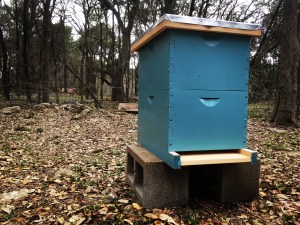
Our backyard is gonna be buzzin’ this spring. We get our first bees in March!


Leave a comment

Too Spicy for You

Making hot sauce is fun. Fermenting it in the process is an adventure.

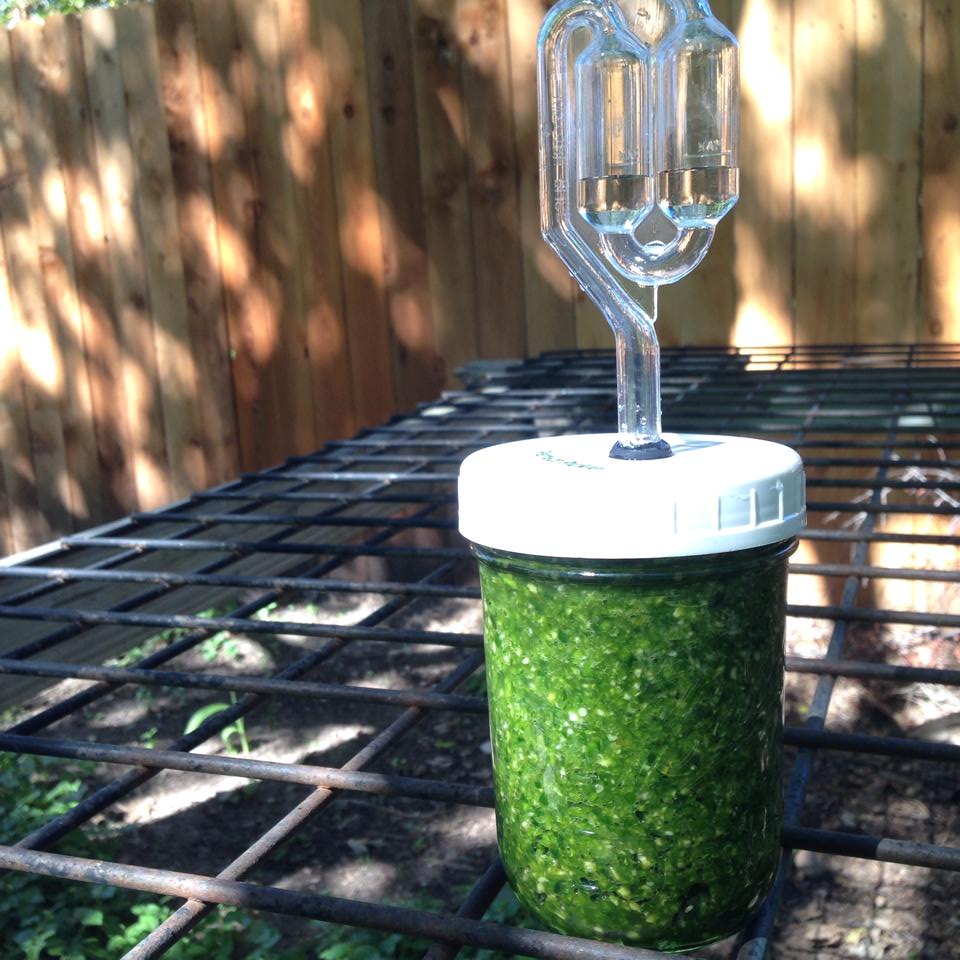
Finely chopping peppers and adding a bit of sea salt ferments them in their own delicious juices, giving subtle flavors and an unbelievable kick. Lacto-fermentation is a popular way of making hot sauce and is implemented by many brands like Tabasco and Sriracha.

I used one-pound of fiery habaneros and three-pounds of a Serrano/jalapeño mix for this batch. The peppers were finely chopped in a food processor with just over an ounce of sea salt, then pressed in to a sanitary 1/2 gallon Ball jar with an airlock on top for four weeks. It required scooping harmless, white mold off the top few layers and re-pressing the peppers to cover in their own brine every few days, but was essentially easy. The end result is incredibly spicy and certainly not for the faint of heart. Next time around I’ll use a significant amount of bell or mild hatch peppers to help bring out sweetness and round out the flavor. This sauce is good, but the entire pound of habaneros is overpowering and tilts the flavor a little too far.

Serrano Habaneros


Recipe adapted from RLM Provisions

4 lbs fermented hot pepper mash

3/4 head garlic, peeled

1 3/4 cup distilled white vinegar

1 1/2 cup raw apple cider vinegar

Bring all ingredients to a boil over medium-high heat in a large saucepan. Reduce to simmer for 5-10 minutes. Purée ingredients in food processor or blender and strain with a fine-mesh strainer in to bottles.


Hot Sauce!


Leave a comment

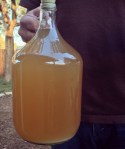
Ginger Champagne

We thought it would be fun to do something a little different than beer today, and this recipe looked like a tasty alternative. This one requires waiting an entire year before drinking it, which should be either very exciting or extremely disappointing when the day arrives.

Adapted recipe from Wild Fermentation (Katz) to one-gallon. Brewed two one-gallon batches.

6 ½ oz ginger, finely chopped

2 lb 6 oz organic cane sugar

1 lemon, juiced

¾ tsp vanilla extract

1 packet Red Star Pasteur Champagne yeast

ginger ginger

Place ginger, sugar and 1 gallon water in stock pot. Cover, bring to a boil, and simmer for one hour, stirring occasionally. After one hour, turn off heat. Add lemon juice and vanilla. Cool in ice bath to approx 85 degrees.

Add approximately 1/3  packet of yeast into one-gallon glass carboy. Strain cooled liquid into the carboy, make sure yeast is dissolved, and insert airlock. Ferment two to three months at room temperature.

After two to three months, siphon wine into a clean carboy, leaving yeast sediment behind. Top off carboy with boiled and cooled water. Replace airlock and ferment six more months.

Bottle after the nine months of fermentation. Use heavy-duty bottles. Prime bottles with 1 tespoon sugar per each 750 ml bottle.  May also want to add a few grains (3-5) of yeast to each bottle, in case dormant yeast is dead.

Cork bottles with champagne stoppers and secure with champagne wires. Wait at least one month before opening. Chill before serving.

ginger


Leave a comment

Brewing, baking and pickling. Oh, my!

We had quite a busy weekend doing things and making stuff. It was incredibly fun. It started with our first batch of lacto-fermented whole grain mustard and ended pickling more garlic than we probably need. Between those two adventures we dry-hopped a batch of our Black IPA and bottled our second Rye Pale Ale as well as pickling, baking and making enough hot pepper mash to set Austin’s collective mouth on fire.

Things are never perfect, but life is pretty sweet at Planted & Enchanted.

Spent grain bread.

Spent Grain Bread

photo 5

Rye Pale Ale

Cider and saltwater brined hot peppers, onions and garlic.

Pepper, onion and garlic in a raw vinegar and saltwater brine

Hot Pepper Mash ingredients.

Green habaneros, Serrano and Jalapeno peppers with garlic and Celtic sea salt make a mean mash

Pickled spicy and daikon radishes.

Spicy and daikon radishes pickled in raw cider and saltwater brine. Yum.

No Regrets Black IPA

Our 14th Austin Anniversary brew, No Regrets Black IPA


Leave a comment

Lacto-fermented Whole Grain Mustard

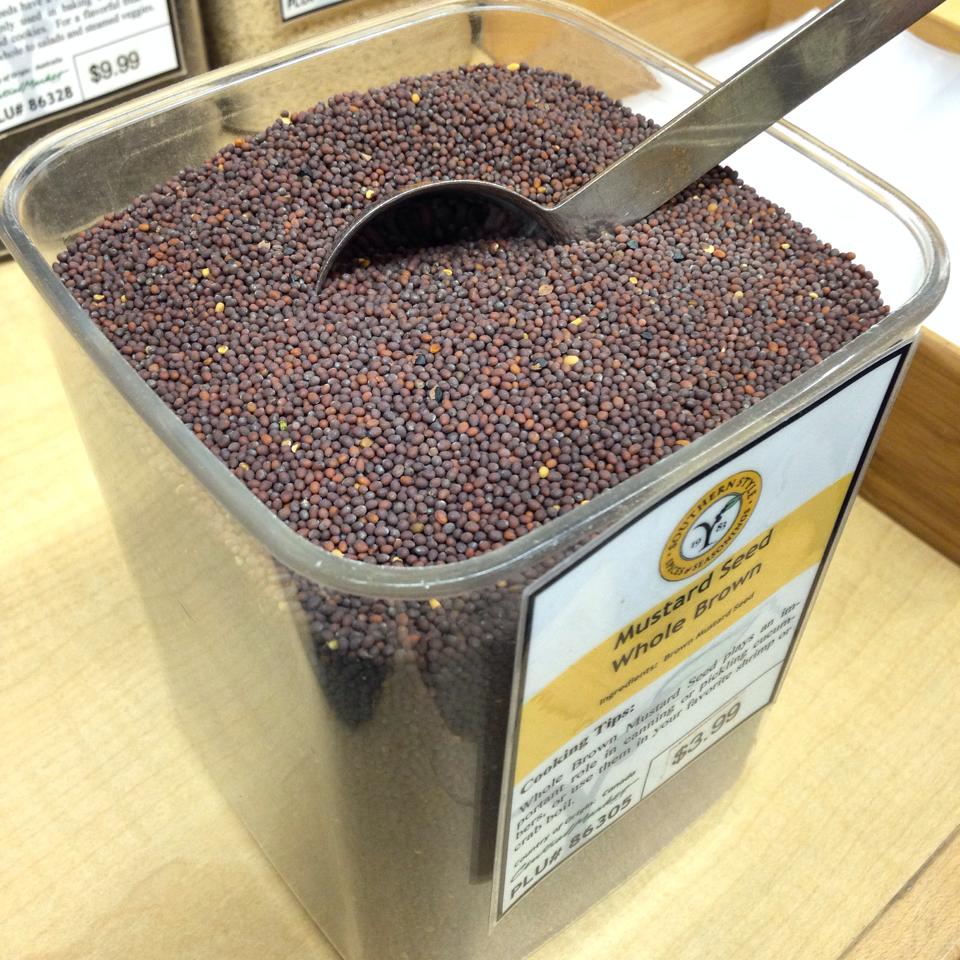
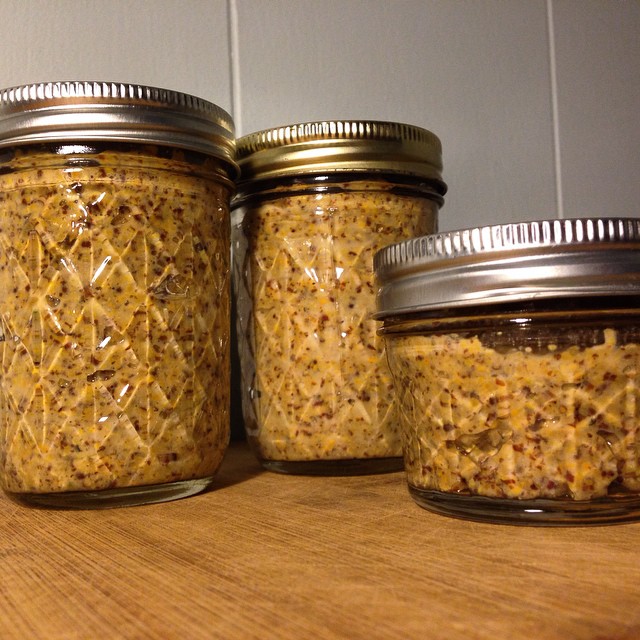
The awesome fall weather and a recent invitation to an Octoberfest party led us to make our first batch of lacto-fermented whole grain mustard. Super easy. We’ve been enjoying all the things we’ve tried from Cultures For Health, so we used their recipe.  Since they didn’t specify exactly which type of mustard seed to use, we used 1/2 cup brown and 1/2 cup yellow.

Whole Grain Brown Mustard Seed

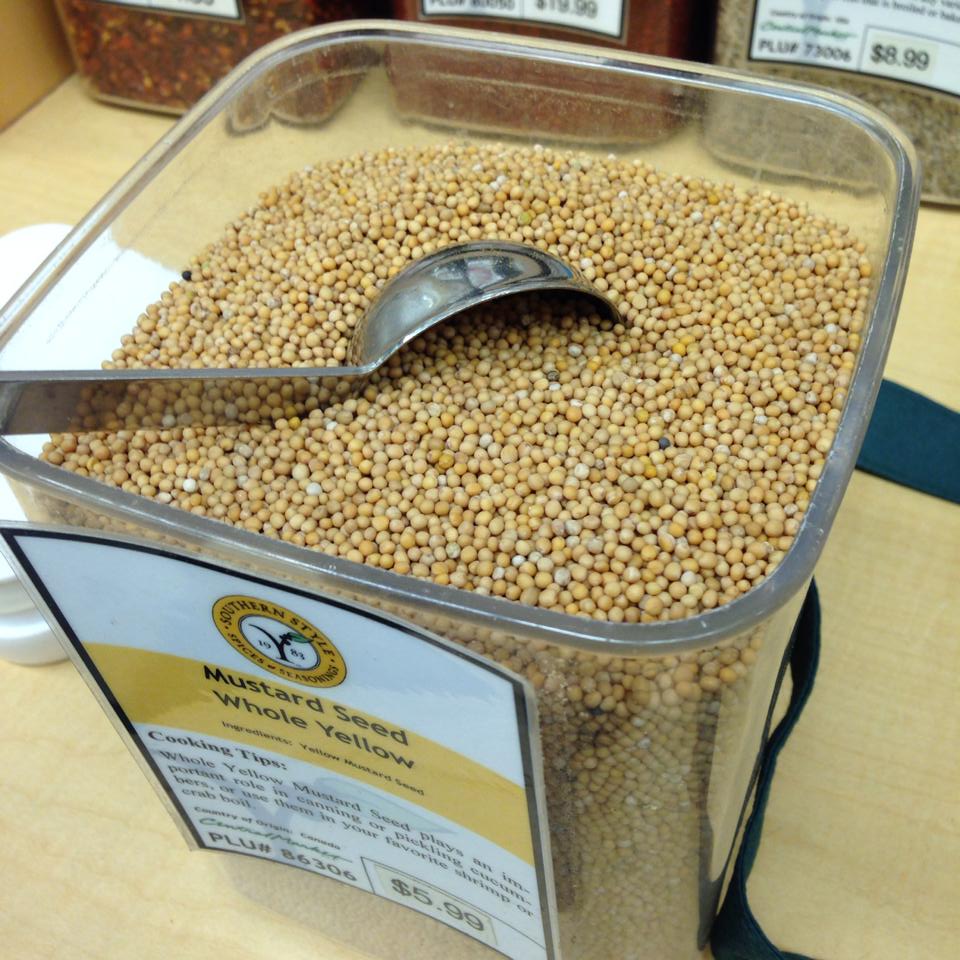
Whole Grain Yellow Mustard Seed

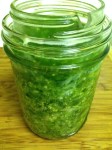
Time to let the lacto-fermentation do its work. Mustard should be ready in 3 days.


Leave a comment

Jalapeno Pickles!

We love October at Planted and Enchanted. It’s the time of the year when Austin weather becomes not only tolerable, but nice. You can go outside and leave the windows open most of the time. Pretty Cool.

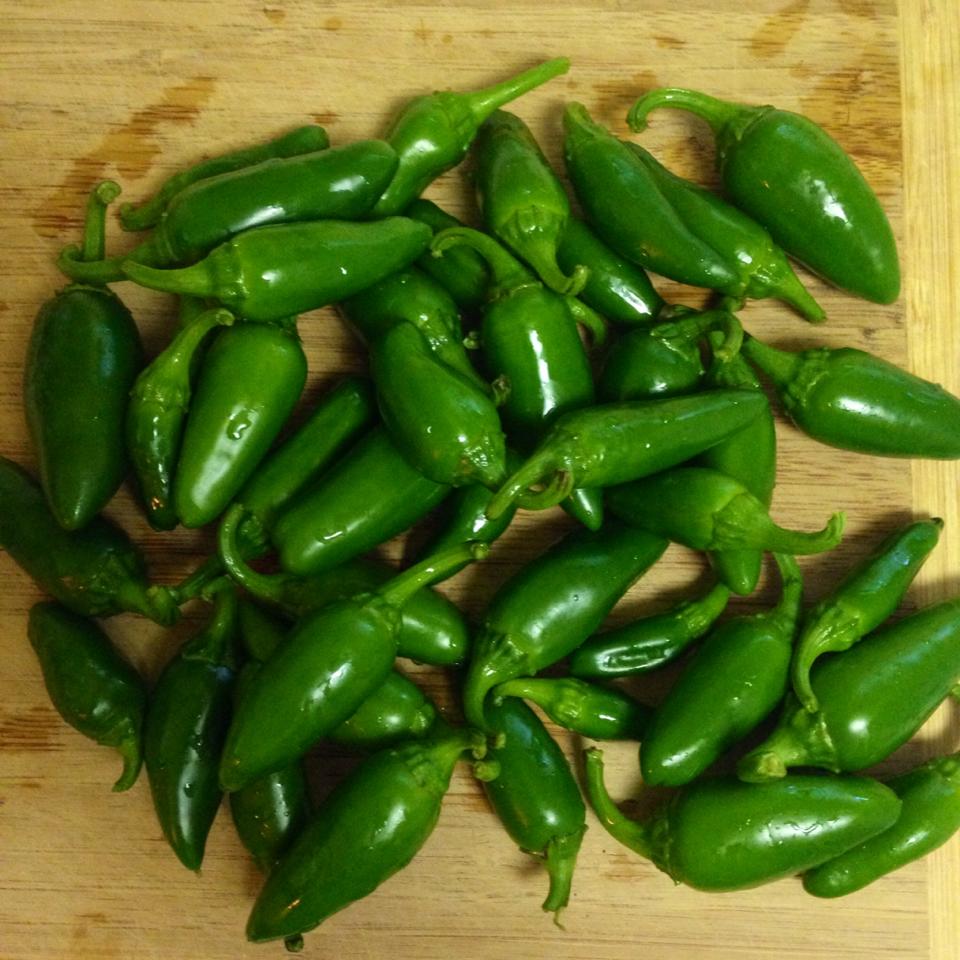
It’s also when our nightshades give us a second round of fruit before their painful descent into compost. In other words, we’ve got lots and lots of peppers in need of a purpose. One of our favorite, and most simple, things to do with our hot peppers is pickle them for later use on bratwurst, nachos and eggs. Yum.

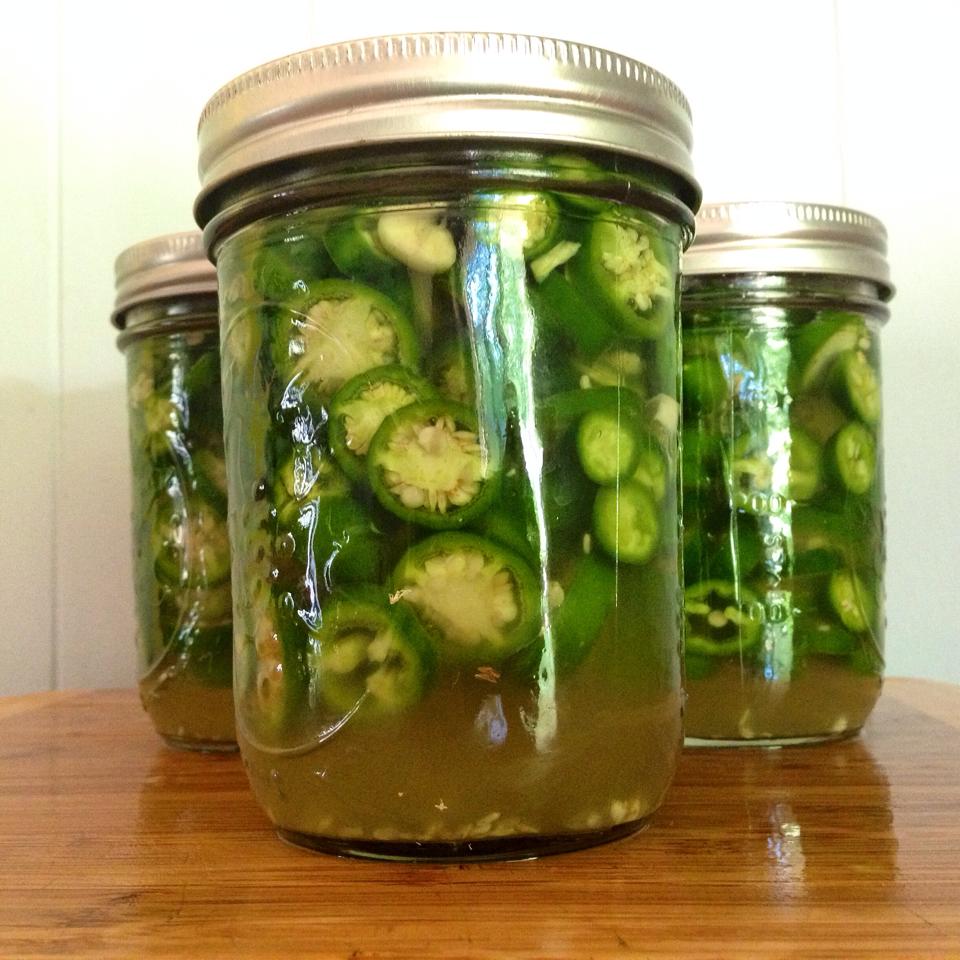
I pickled one pound of jalapenos from the garden this morning using Cultures for Health‘s basic recipe. I added garlic because garlic is amazing. Right? Plus, we had some left from our own garden so it felt right.

Here’s the recipe.

Here’s the pickles in progress.

peppers in glass peppers


Leave a comment

No Regrets Black IPA

We mentioned brewing a black IPA last weekend and I thought I’d share our detailed recipe. We adapted the basic grain bill from The Brew Guys but chose to use different hops and yeast because experimenting is good for you.

No Regrets Black IPA – Brewed 10/5/14 – Makes one gallon

Adapted from The Brew Guys.

photo 1

60-minute mash:
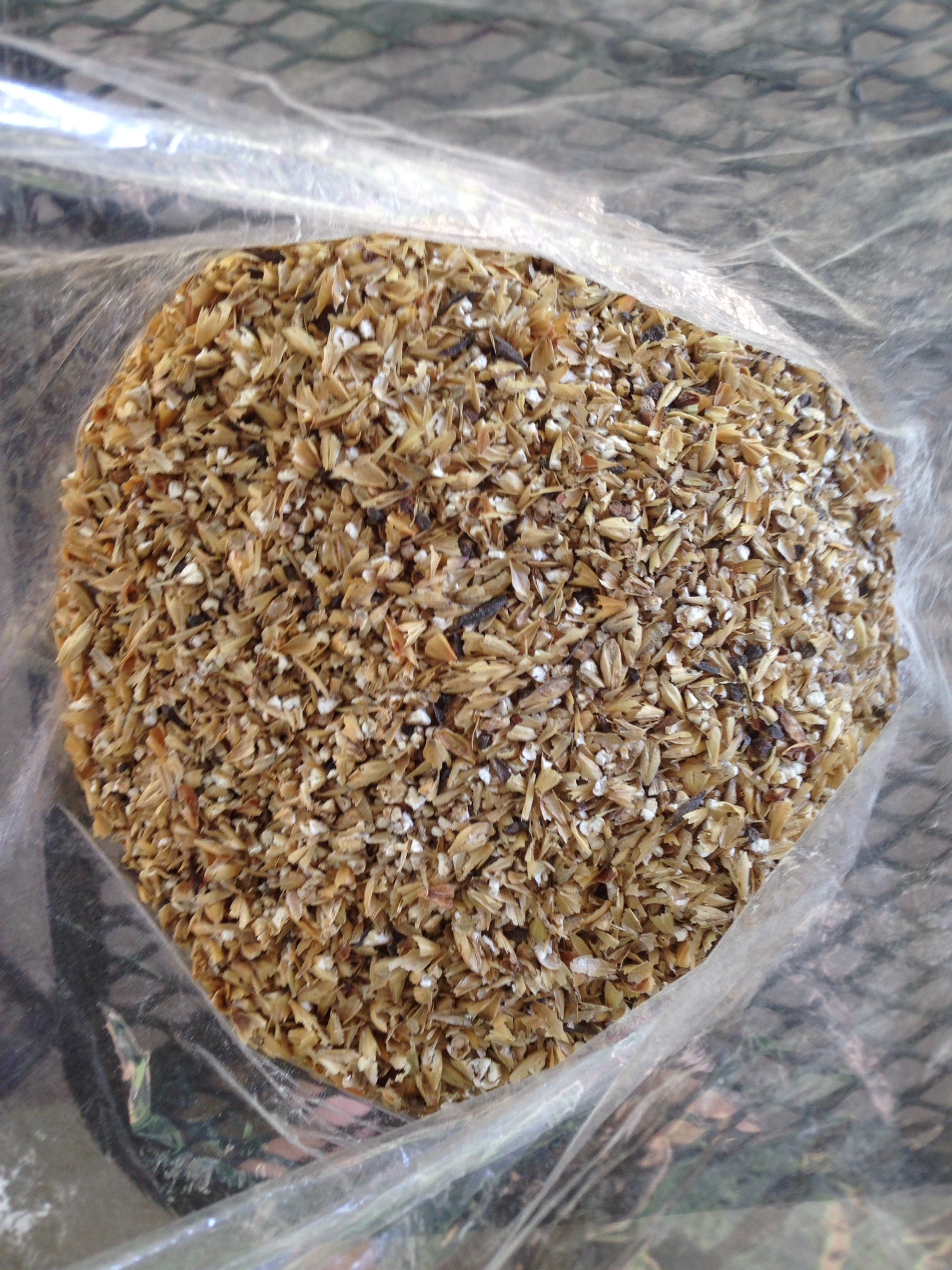
2 pounds American 2-row malt
3 oz Crystal 40 malt
2 oz Carafa 2 malt
1 oz Chocolate malt

Heat 3 ½ quarts water to 160 degrees. Add grains and stir gently. Steep for 60 minutes–between 144 and 152 degrees. Stir and take temp every 10 minutes. After grains have steeped for 60 minutes, raise heat and stir until temp reaches 170 degrees. Maintain temp for 10 minutes.

Meanwhile, heat 1 gallon sparge water to 170 degrees. Put grains into strainer and pour wort over them into plastic fermenter bucket. Slowly and evenly pour sparge water over grains. Recirculate collected liquid through the grains back into stock pot. Recirculate two more times–once in fermentation bucket then back into stock pot.

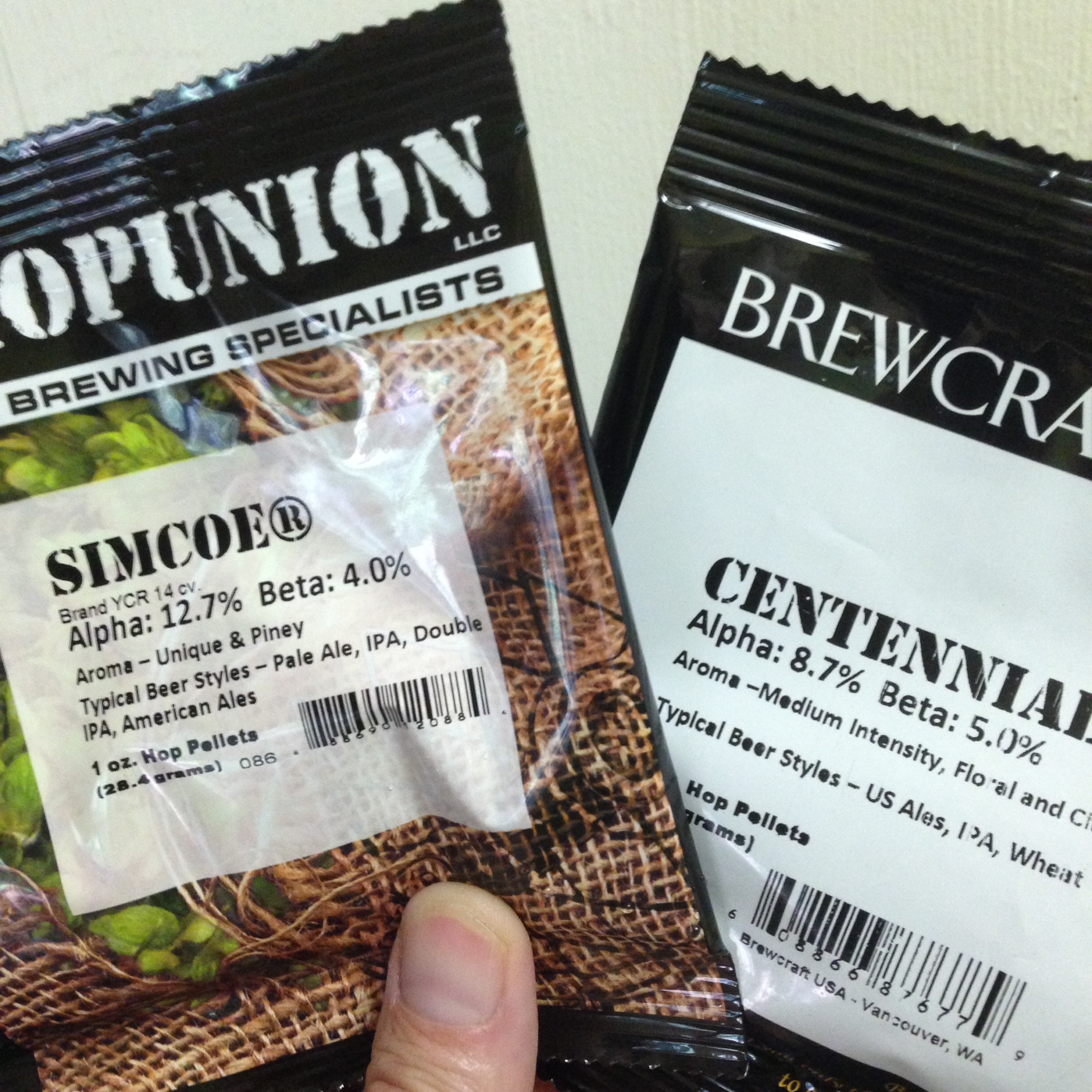
Hops!

60-minute boil:
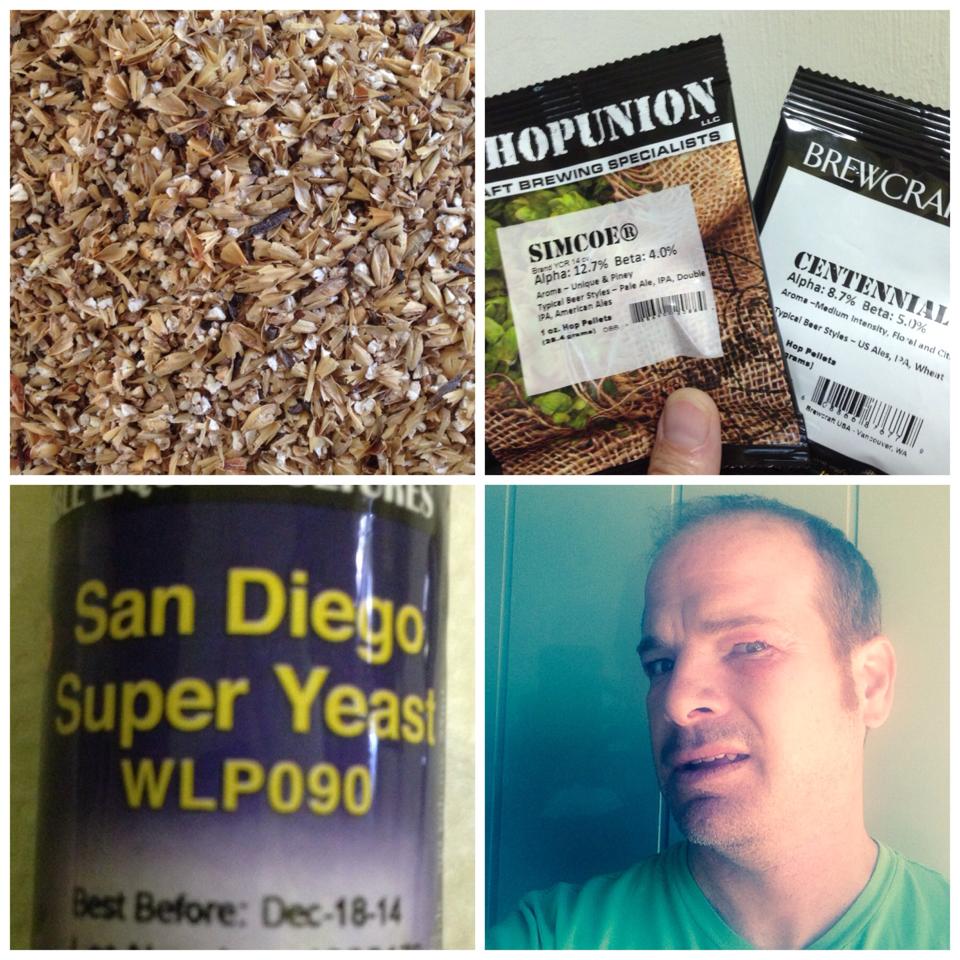
14 grams Simcoe Hops at 15 min
8 grams Centennial Hops at 15 min
7 grams Simcoe at 0 min
8 grams Centennial at 0 min

⅛ tsp Irish Moss (rehydrated at least 15 min in 1-2 oz hot water)

Bring pot to boil, reduce heat to slow rolling boil and set timer for 60 minutes. With 15 minutes remaining, add 13 grams Simcoe and 8 grams Centennial and add ⅛ tsp Irish Moss. With 0 minutes remaining, add 6 grams Simcoe and 8 grams Centennial. Prepare ice bath. Cool pot in ice bath to 70 degrees.

photo 3

Ferment:
Yeast starter:
2 T light dried malt extract
1 c boiling water
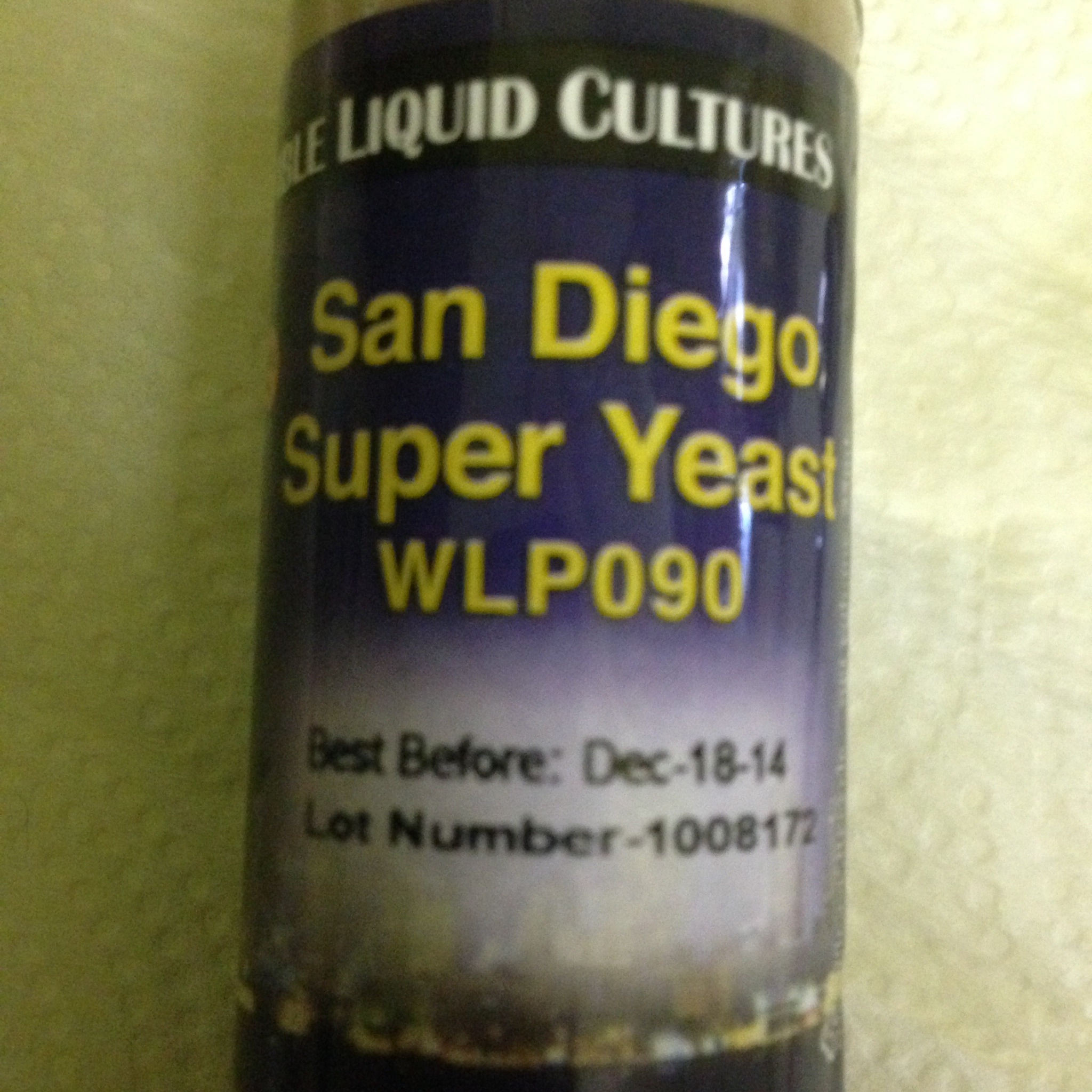
1 tube liquid San Diego Super Yeast (WLP090)
¼ tsp Yeast Energizer

To make yeast starter, use a pint size canning jar to dissolve malt extract in boiling water. Cool to room temperature and add yeast and yeast energizer. Cover with plastic wrap secured with rubber band. Give it a good shake and let stand 6-12 hours.

Strain wort into primary fermenter. Add yeast starter and stir vigorously. Attach sanitized stopper and tubing to the fermenter and insert the other end of the tubing into a pint glass filled with sanitizing solution. Wait 2-3 days until bubbling slows, then replace tubing with airlock. Two weeks after brew day, transfer to secondary fermenter (glass carboy). Dry hop: Add 7 grams of Simcoe and 8 grams Centennial hops to secondary fermenter before transferring.

Leave a comment

Fourteen Years in Austin

This weekend marked our 14th anniversary of moving to Austin and it was a good one.

We started off at the always pleasurable Jester King brewery and Stanley’s Farmhouse Pizza. Always fun to try their top-notch farmhouse ales. Plus, Stanley’s had Prairie Ales’ Standard on tap, which is ridiculously tasty.

Aurelian Lure

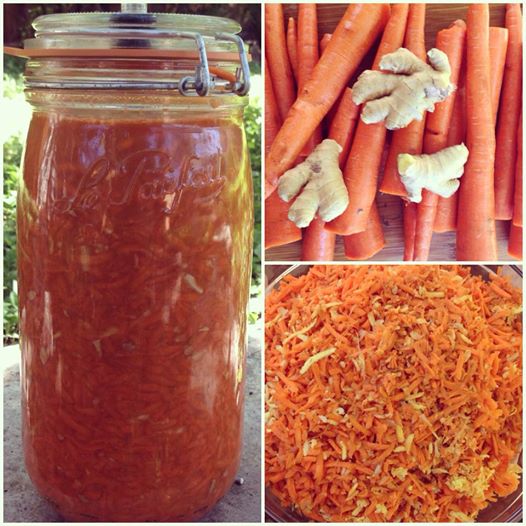
Our lacto-fermentation projects seem to be multiplying. This weekend we used two-pounds of Serrano peppers from the garden to start a batch of mash and three-pounds of carrots and four ounces ginger to make slaw. We’re fascinated by the natural fermentation that takes place with the addition of just a bit of sea salt and plan on expanding our lacto-ferment-based line soon.

serrano fermentcarrot

Sunday ended by brewing our first-ever black IPA, which was a blast. It was the first time using Carafa 2 malt, which was super dark and roasty. Good times. We also employed a new hopping method that had us waiting until 15 minutes left in the boil to add the first round. A second round of Centennial and Simcoe was also added at flameout, and we’ll dry hop with them both at secondary.

no regrets

Hope y’all are having fun doing things and making stuff. Send us pics of your own homesteading projects. We’d love to see what you’re doing.


Leave a comment

Habanero Jelly

If you’ve never tried habanero jelly, you’re in for a treat. The unique flavor and burn of the pepper gets balanced by plenty of sugar, resulting in an incredibly addictive sweet heat. Fantastic on goat cheese, sour dough, ice cream, tortilla chips and just about everything else we’ve tried. Adapted from the great folks at My Pantry Chef at Food52.

giffer (3)

You’ll need:
8-9 orange habaneros, preferably from your backyard or farmers market

2 sweet peppers–orange bell and red Italian sweet peppers work well

4 1/2 cups of organic white sugar

3 T pectin

1 t butter

Clean and sterilized canning jars, lids and rings

Boiling water bath

See the full method at Food52 


5 Comments

Vertical Potato Box Upgrade

Adding a second level and more soil mix to the potato box. 5/3/2010

Our experiment with a vertical potato box seems to be going well. The idea is to cover the bottom 1/3 of the plant every time it gets 12″ out of the soil. The branches then work their magic and turn into potatoes. Below is a shot of the potatoes less than a month ago. Right now the tops of the plants are about 3′ tall.

Adding a second level and more soil/pine straw mix to our potato box.

Have any of you grown potatoes like this in the past? I’d love to hear your success stories. You can reach us via Twitter @PlantandEnchant

Design a site like this with WordPress.com
Get started