Planted and Enchanted

A casual blog about sustainability, gardening and life in Central Texas


Leave a comment

Happy New Year!

After sixteen years of living, gardening, brewing, pickling and baking in south Austin, we decided to pack up and move a little further south to Buda. We’re lucky enough to have room now to keep chickens and bees, two things we’ve wanted to do for a long time.

We’re currently building a coop for the hens and getting all of our beekeeping in order before they arrive in March. Thanks for taking the time to let us share our hobbies with you as we go through the learning process. We’re glad you’re here. It’s going to be fun, y’all.

img_3776

Making progress on the coop! We expect to have five chickens by the end of January.

img_3670

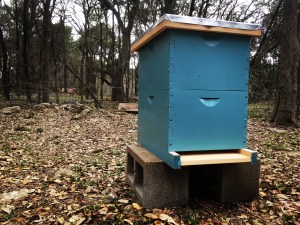
Our backyard is gonna be buzzin’ this spring. We get our first bees in March!


Leave a comment

Ginger Champagne

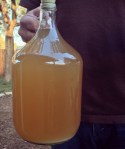
We thought it would be fun to do something a little different than beer today, and this recipe looked like a tasty alternative. This one requires waiting an entire year before drinking it, which should be either very exciting or extremely disappointing when the day arrives.

Adapted recipe from Wild Fermentation (Katz) to one-gallon. Brewed two one-gallon batches.

6 ½ oz ginger, finely chopped

2 lb 6 oz organic cane sugar

1 lemon, juiced

¾ tsp vanilla extract

1 packet Red Star Pasteur Champagne yeast

ginger ginger

Place ginger, sugar and 1 gallon water in stock pot. Cover, bring to a boil, and simmer for one hour, stirring occasionally. After one hour, turn off heat. Add lemon juice and vanilla. Cool in ice bath to approx 85 degrees.

Add approximately 1/3  packet of yeast into one-gallon glass carboy. Strain cooled liquid into the carboy, make sure yeast is dissolved, and insert airlock. Ferment two to three months at room temperature.

After two to three months, siphon wine into a clean carboy, leaving yeast sediment behind. Top off carboy with boiled and cooled water. Replace airlock and ferment six more months.

Bottle after the nine months of fermentation. Use heavy-duty bottles. Prime bottles with 1 tespoon sugar per each 750 ml bottle.  May also want to add a few grains (3-5) of yeast to each bottle, in case dormant yeast is dead.

Cork bottles with champagne stoppers and secure with champagne wires. Wait at least one month before opening. Chill before serving.

ginger


Leave a comment

Brewing, baking and pickling. Oh, my!

We had quite a busy weekend doing things and making stuff. It was incredibly fun. It started with our first batch of lacto-fermented whole grain mustard and ended pickling more garlic than we probably need. Between those two adventures we dry-hopped a batch of our Black IPA and bottled our second Rye Pale Ale as well as pickling, baking and making enough hot pepper mash to set Austin’s collective mouth on fire.

Things are never perfect, but life is pretty sweet at Planted & Enchanted.

Spent grain bread.

Spent Grain Bread

photo 5

Rye Pale Ale

Cider and saltwater brined hot peppers, onions and garlic.

Pepper, onion and garlic in a raw vinegar and saltwater brine

Hot Pepper Mash ingredients.

Green habaneros, Serrano and Jalapeno peppers with garlic and Celtic sea salt make a mean mash

Pickled spicy and daikon radishes.

Spicy and daikon radishes pickled in raw cider and saltwater brine. Yum.

No Regrets Black IPA

Our 14th Austin Anniversary brew, No Regrets Black IPA


Leave a comment

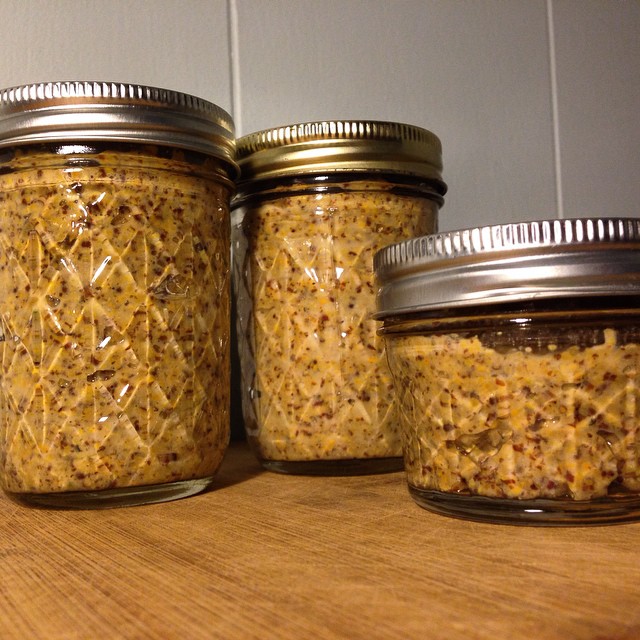
Lacto-fermented Whole Grain Mustard

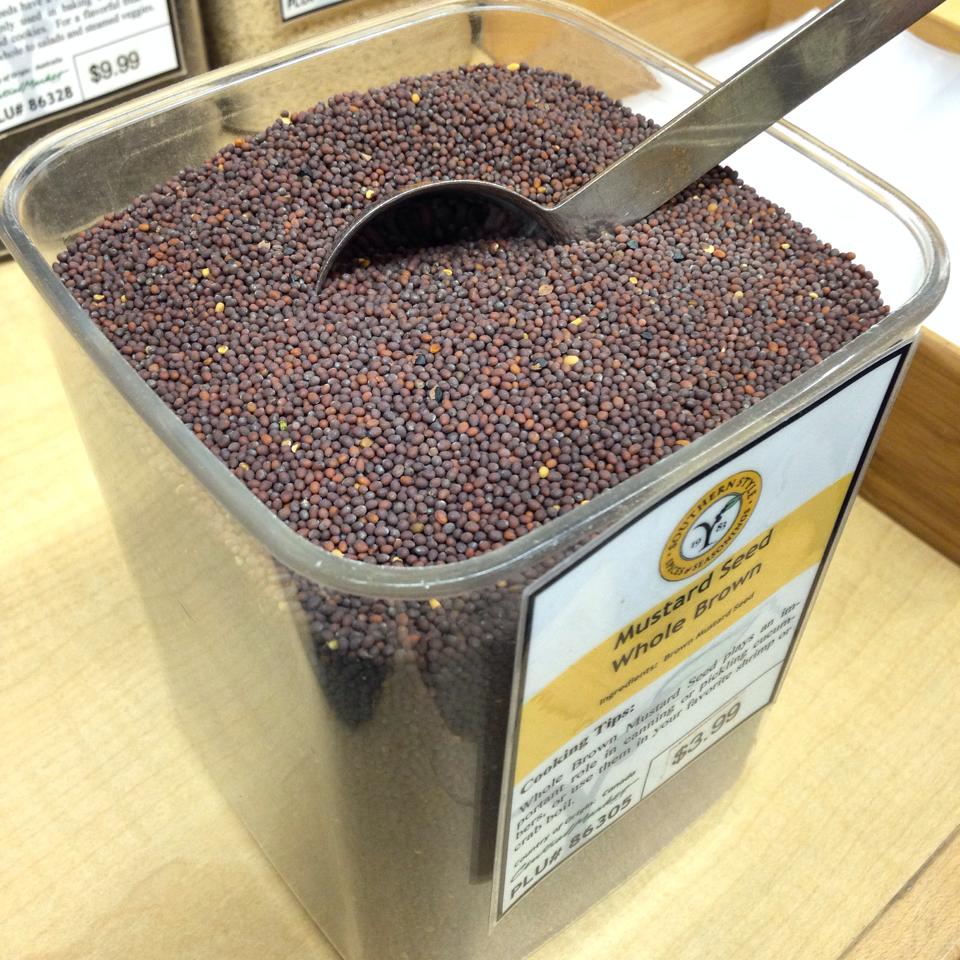
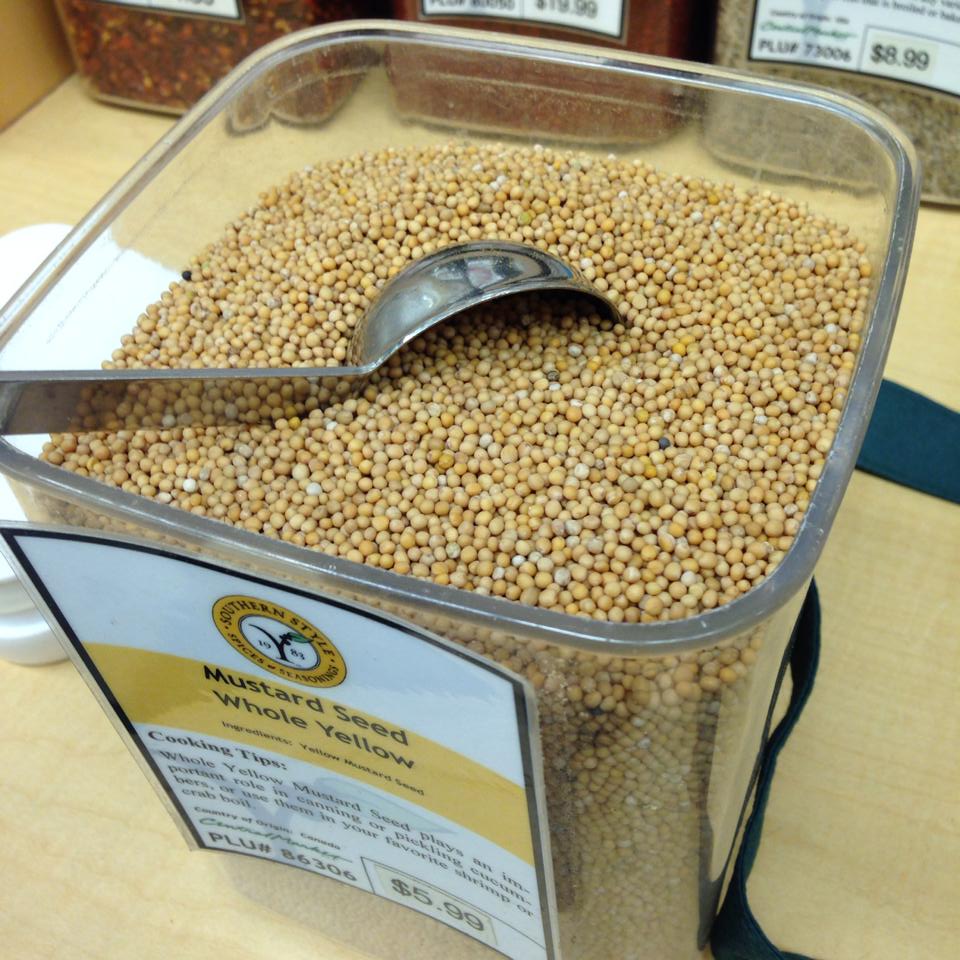
The awesome fall weather and a recent invitation to an Octoberfest party led us to make our first batch of lacto-fermented whole grain mustard. Super easy. We’ve been enjoying all the things we’ve tried from Cultures For Health, so we used their recipe.  Since they didn’t specify exactly which type of mustard seed to use, we used 1/2 cup brown and 1/2 cup yellow.

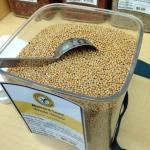
Whole Grain Brown Mustard Seed

Whole Grain Yellow Mustard Seed

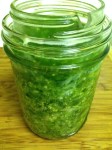
Time to let the lacto-fermentation do its work. Mustard should be ready in 3 days.


Leave a comment

Jalapeno Pickles!

We love October at Planted and Enchanted. It’s the time of the year when Austin weather becomes not only tolerable, but nice. You can go outside and leave the windows open most of the time. Pretty Cool.

It’s also when our nightshades give us a second round of fruit before their painful descent into compost. In other words, we’ve got lots and lots of peppers in need of a purpose. One of our favorite, and most simple, things to do with our hot peppers is pickle them for later use on bratwurst, nachos and eggs. Yum.

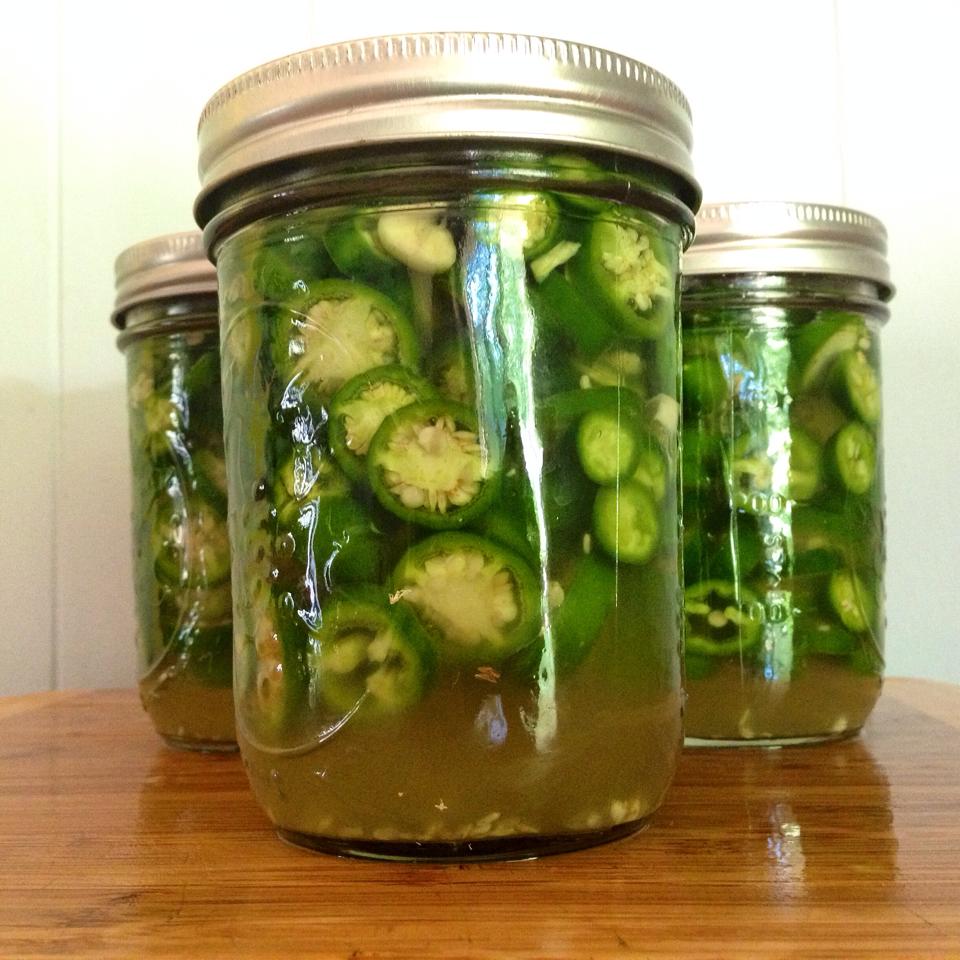
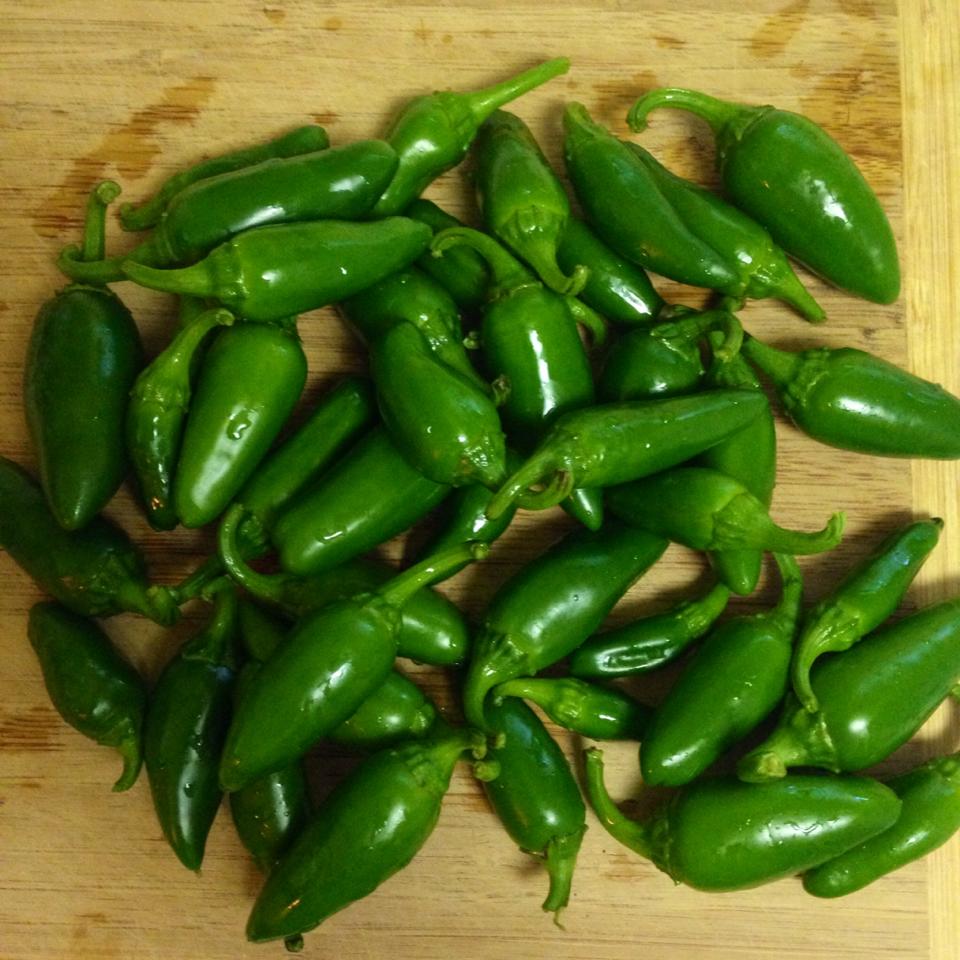
I pickled one pound of jalapenos from the garden this morning using Cultures for Health‘s basic recipe. I added garlic because garlic is amazing. Right? Plus, we had some left from our own garden so it felt right.

Here’s the recipe.

Here’s the pickles in progress.

peppers in glass peppers


Leave a comment

Pickled Peppers

Pickling peppers out of the garden.


I can’t remember where we originally found this recipe, but over the years it has become our favorite method for pickling peppers. We like to use them on nachos, tacos, baked potatoes, sandwiches, and anything else that needs a little kick.


Pickled Pepper Slices

1/2 pound fresh jalapenos or serranos, or a mix of each
2 cloves garlic, peeled
1 3/4 cup white vinegar
1 tsp. kosher salt
1/8 tsp. turmeric

Wash peppers and slice into rings about 1/8 inch thick. Placed sliced peppers and garlic into a pint-sized canning jar.

Mix vinegar, salt, and turmeric in a saucepan. Heat to near boiling and pour mixture of peppers in jar. Allow to cool and  then store in refrigerator. They peppers will be ready to eat in about five days. They will keep for a few months in the refrigerator.


1 Comment

A Reading List

We’ve started planning and plotting for the spring growing season here in Central Texas, so I thought it’d be a good time to compile a list of helpful books related to gardening, sustainability, and homesteading. Some are how-to guides, some are essays or memoirs, and all are inspirational and educational in their own way.

In no particular order:

Second Nature: A Gardener’s Education (Michael Pollan)

The Urban Homestead: Your Guide to Self-Sufficient Living in the Heart of the City (Kelly Coyne and Erik Knutzen of the blog Homegrown Evolution)

The Backyard Homestead: Produce All the Food You Need on Just ¼ Acre (Carleen Madigan)

Animal, Vegetable, Miracle: A Year of Food Life (Barbara Kingsolver)

Made from Scratch: Discovering the Pleasures of a Handmade Life (Jenna Woginrich, who also shares her adventures on the delightful Cold Antler Farm blog)

Farm City: The Education of an Urban Farmer (Novella Carpenter)

Plenty: One Man, One Woman, and a Raucous Year of Eating Locally (Alisa Smith and J. B. MacKinnon)

See You in a Hundred Years: Four Seasons in Forgotten America (Logan Ward)

And, finally, some books I look forward to reading soon:
Homemade Living series (Ashley English) – not yet released, but these books look great. See a sneak peak of Canning and Preserving: All You Need to Know to Make Jams, Jellies, Pickles, Chutneys & More at the author’s blog, Small Measure.

Grow Great Grub: Organic Food from Small Spaces (Gayla Trail of You Grow Girl)

The Locavore Way: Discovering the Delicious Pleasures of Eating Fresh, Locally Grown Food (Amy Cotler)

How to Grow More Vegetables: And Fruits, Nuts, Berries, Grains, and Other Crops Than You Ever Thought Possible on Less Land Than You Can Imagine (John Jeavons)

Gaia’s Garden: A Guide to Home-Scale Permaculture (Toby Hemenway)

What are your favorites? We’re always on the lookout for more resources, so we hope you’ll share your recommendations with us, too.

Design a site like this with WordPress.com
Get started